Lumivyn Studios — Immersive AR Content Creation Platform
Democratizing augmented reality content for brands and creators
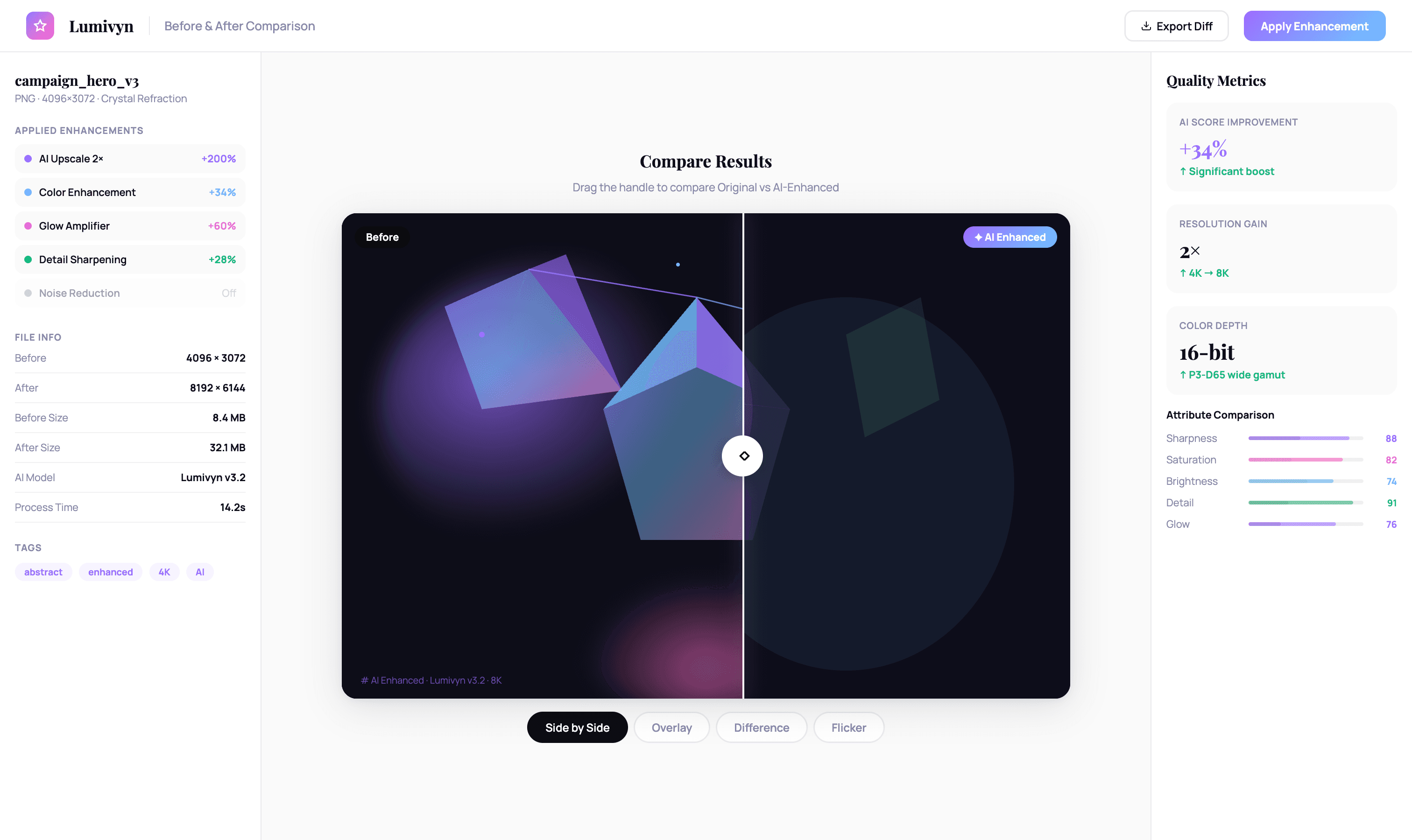
A browser-based augmented reality creation platform that empowers brands and creators to design, preview, and publish interactive AR experiences without writing a single line of code — now used by 2,500+ creators across 40 countries.
Project Overview
A creative technology company wanted to break down the barriers to AR content creation. Building AR experiences traditionally required Unity or Unreal Engine expertise, expensive hardware, and weeks of development time. They envisioned a platform where marketers, designers, and content creators could build interactive AR campaigns in hours, not weeks. We built Lumivyn Studios — a browser-based AR creation suite with drag-and-drop 3D editing, real-time device preview, and one-click publishing to WebAR, Instagram, and Snapchat formats.
Client Background
Our client is a creative agency-turned-SaaS-company that had been building bespoke AR experiences for luxury brands at $50K-$150K per project. They realized the technology could be productized and democratized — but needed engineering talent that understood both 3D rendering pipelines and SaaS architecture. Their existing team of designers and AR artists lacked the full-stack development expertise to build a scalable web platform.
The Challenge
3D rendering in a web browser at interactive frame rates (60fps) was technically demanding — existing WebGL solutions were either too slow or required native app installation.
The platform needed to support importing 3D assets in 15+ formats (GLTF, FBX, OBJ, USDZ) with automatic optimization for mobile AR delivery, while maintaining visual fidelity.
Real-time collaboration was essential — multiple team members needed to work on the same AR experience simultaneously, similar to Figma's collaborative editing model.
Publishing needed to be seamless — one click to generate WebAR links, Instagram Spark AR filters, and Snapchat Lens Studio projects from a single source experience.
The platform had to work reliably on both desktop browsers for editing and mobile browsers for AR preview, requiring a responsive WebXR implementation.
Our Approach
3D Engine & WebXR Foundation (Weeks 1-5)
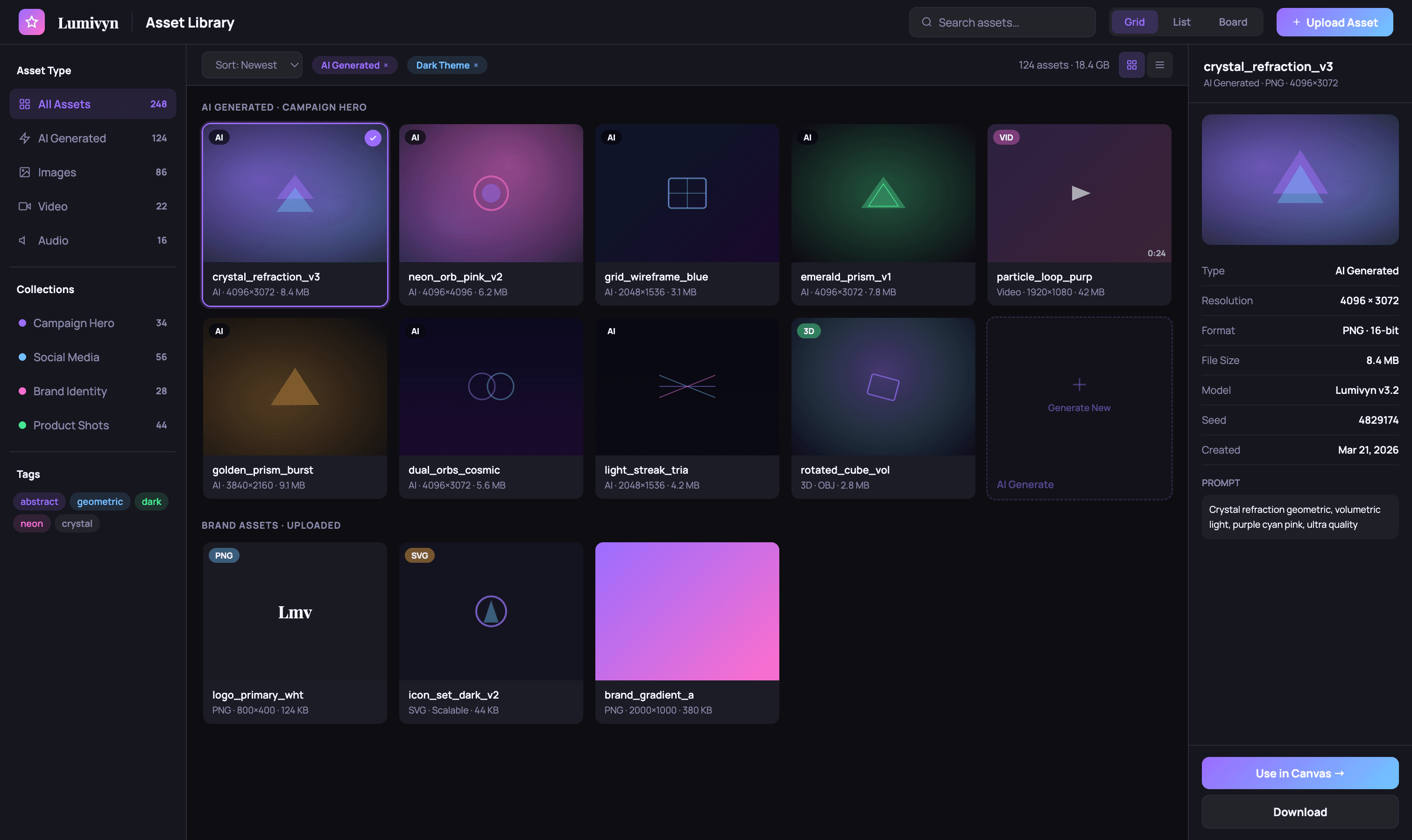
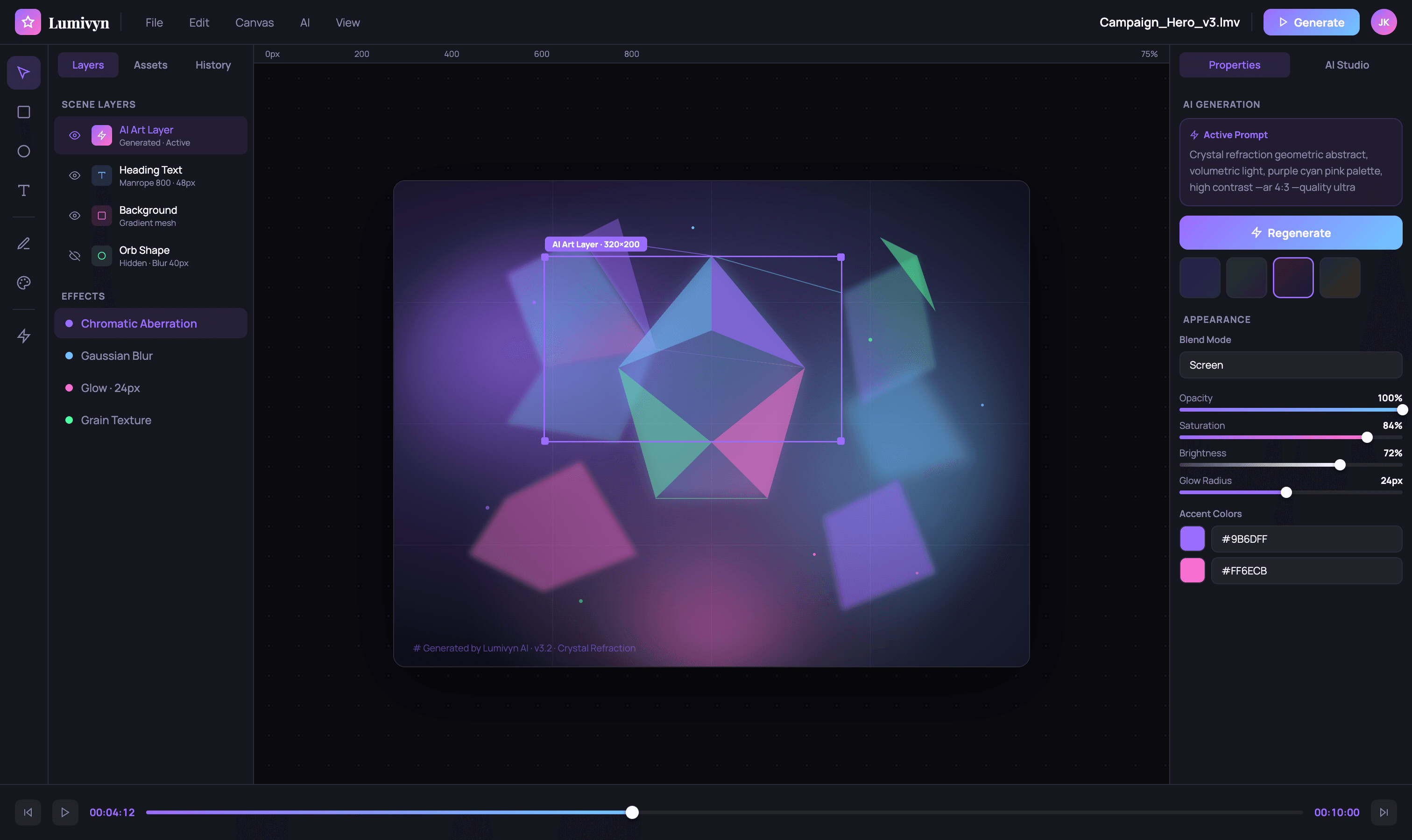
We built a custom rendering pipeline on top of Three.js with progressive loading, LOD (Level of Detail) management, and GPU-accelerated physics. The engine dynamically adjusts quality based on device capabilities, maintaining 60fps on modern laptops and 30fps on mid-range mobile devices. We implemented WebXR for native AR preview on supported browsers.
Drag-and-Drop Editor (Weeks 4-9)
We designed and built a Figma-inspired 3D editor using React with a custom scene graph architecture. The editor supports drag-and-drop placement, real-time material editing, animation timelines, interaction scripting (tap, gaze, proximity triggers), and a library of pre-built AR components. The UI uses radix primitives for accessibility compliance.
Collaboration & Asset Pipeline (Weeks 7-12)
We implemented real-time multiplayer editing using CRDTs (Conflict-free Replicated Data Types) over WebSockets, allowing teams to collaborate without conflicts. The asset pipeline handles 15+ 3D file formats with automatic polygon reduction, texture compression, and USDZ conversion for Apple AR Quick Look.
Publishing Engine & Analytics (Weeks 10-14)
We built a one-click publishing system that generates optimized WebAR experiences (vanilla HTML/JS), Spark AR studio projects, and Snapchat Lens Studio imports. Each published experience includes built-in analytics — tracking views, interactions, session duration, and conversion events. The CDN delivery ensures AR experiences load in under 3 seconds on 4G connections.
Solution Highlights
Results & Impact
- Platform adopted by 2,500+ creators across 40 countries, from indie designers to agency teams at major brands.
- AR experience creation time reduced by 85% — from an average of 3 weeks with traditional tools to 2-3 days on Lumivyn Studios.
- Over 15,000 AR experiences published through the platform, generating 12M+ end-user interactions.
- The collaborative editing feature increased team plan adoption by 3x, driving average contract value up 240%.
- WebAR experiences load in under 3 seconds on 4G connections, with a 92% completion rate for AR sessions.
- Platform selected for the Google for Startups accelerator program based on technical innovation in WebXR.
"Before Lumivyn Studios, creating an AR campaign for a client took us 3 weeks and cost $80K. Now our designers publish campaigns in 2 days. Inventiple built something that genuinely changed how our industry works. The collaborative editing is magic — our New York and London teams work on the same experience in real-time."
Core Services
- Full-Stack Development
- 3D & WebXR Engineering
- Real-Time Collaboration
- SaaS Architecture
Technologies
Project Visuals
More Case Studies
Explore our other success stories across industries.
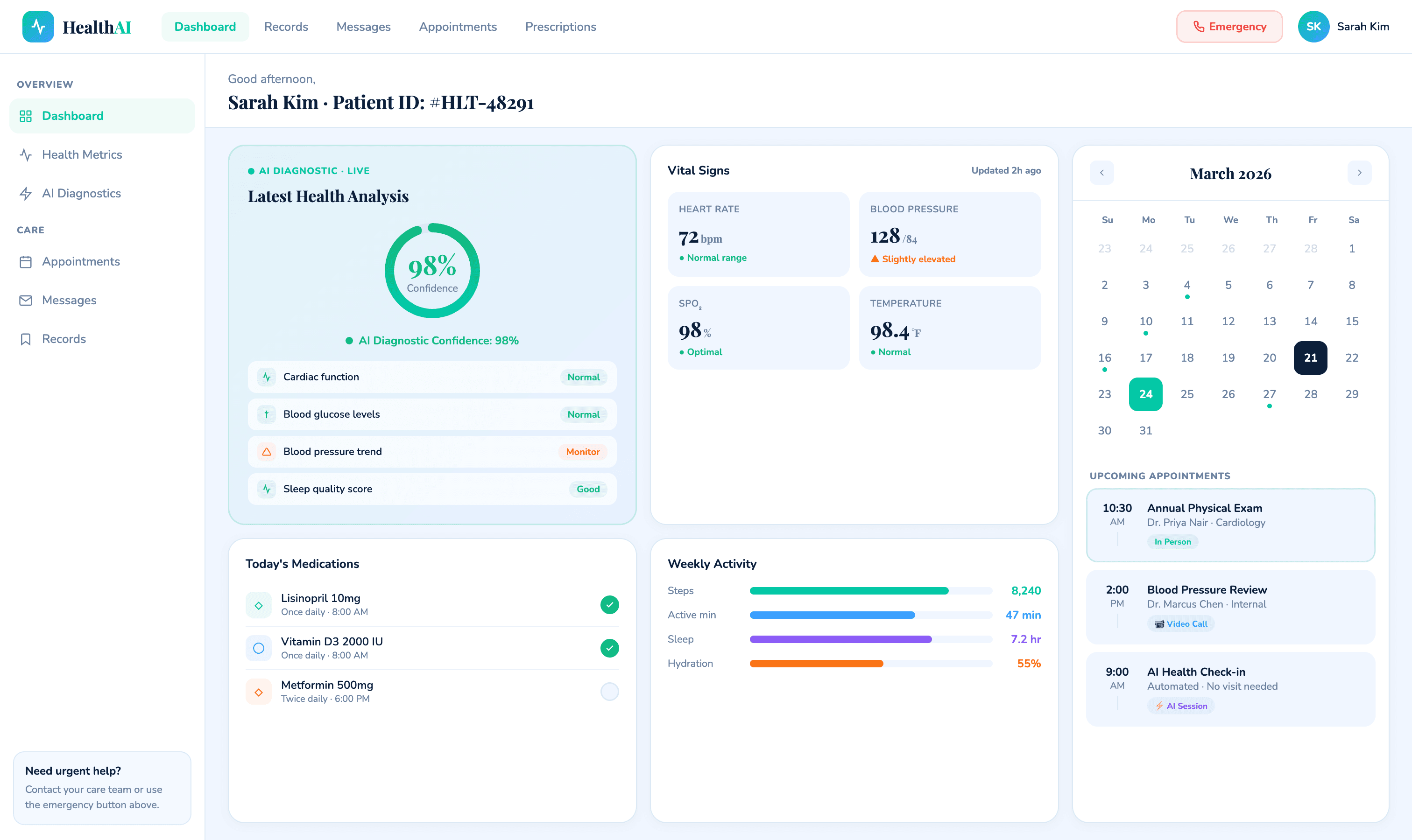
AI-Powered Diagnostic & Patient Engagement Platform
Unified legacy systems into an AI-driven healthcare platform
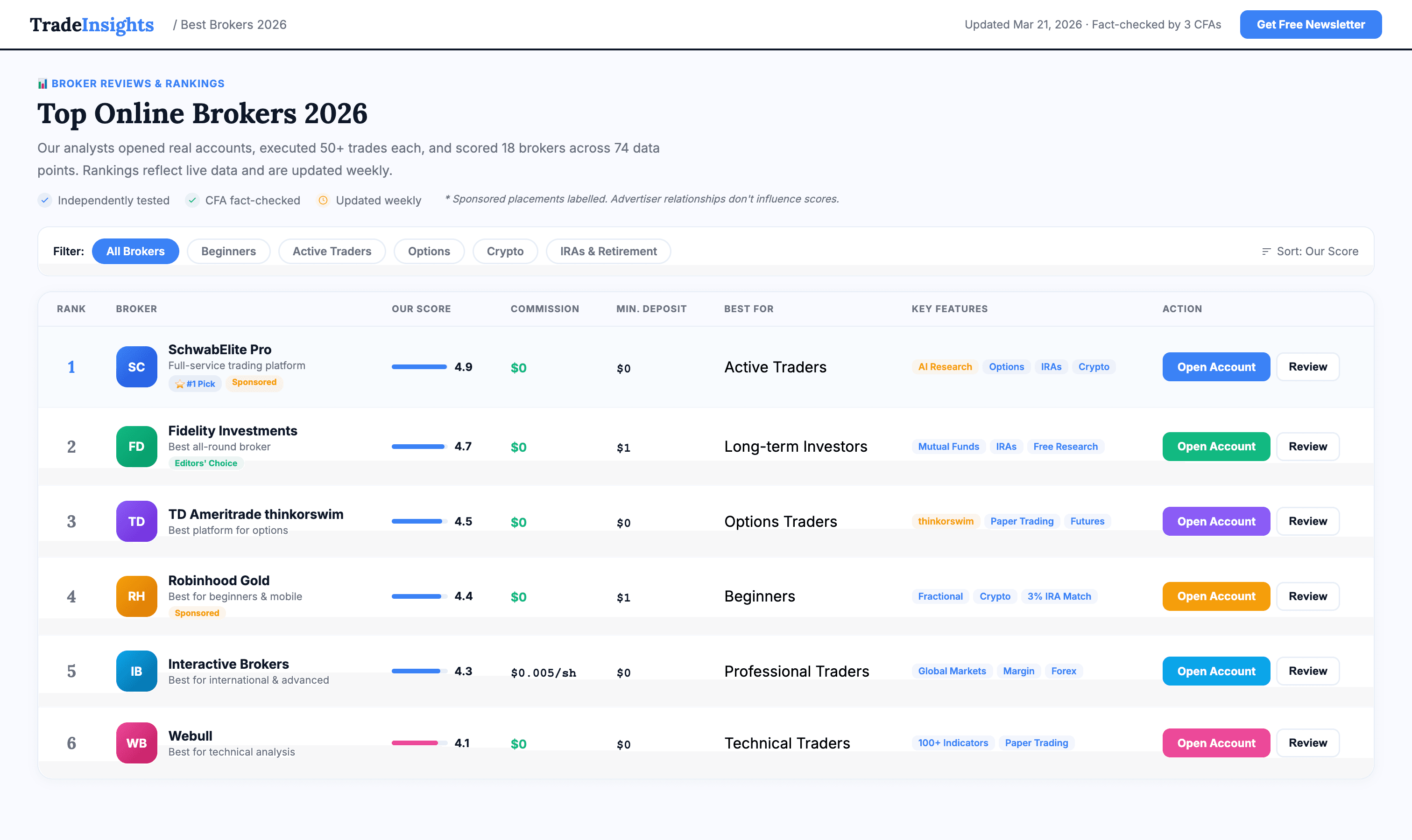
TradeInsights: Financial Platform UX/UI Redesign
Modernizing a legacy financial education and broker comparison platform
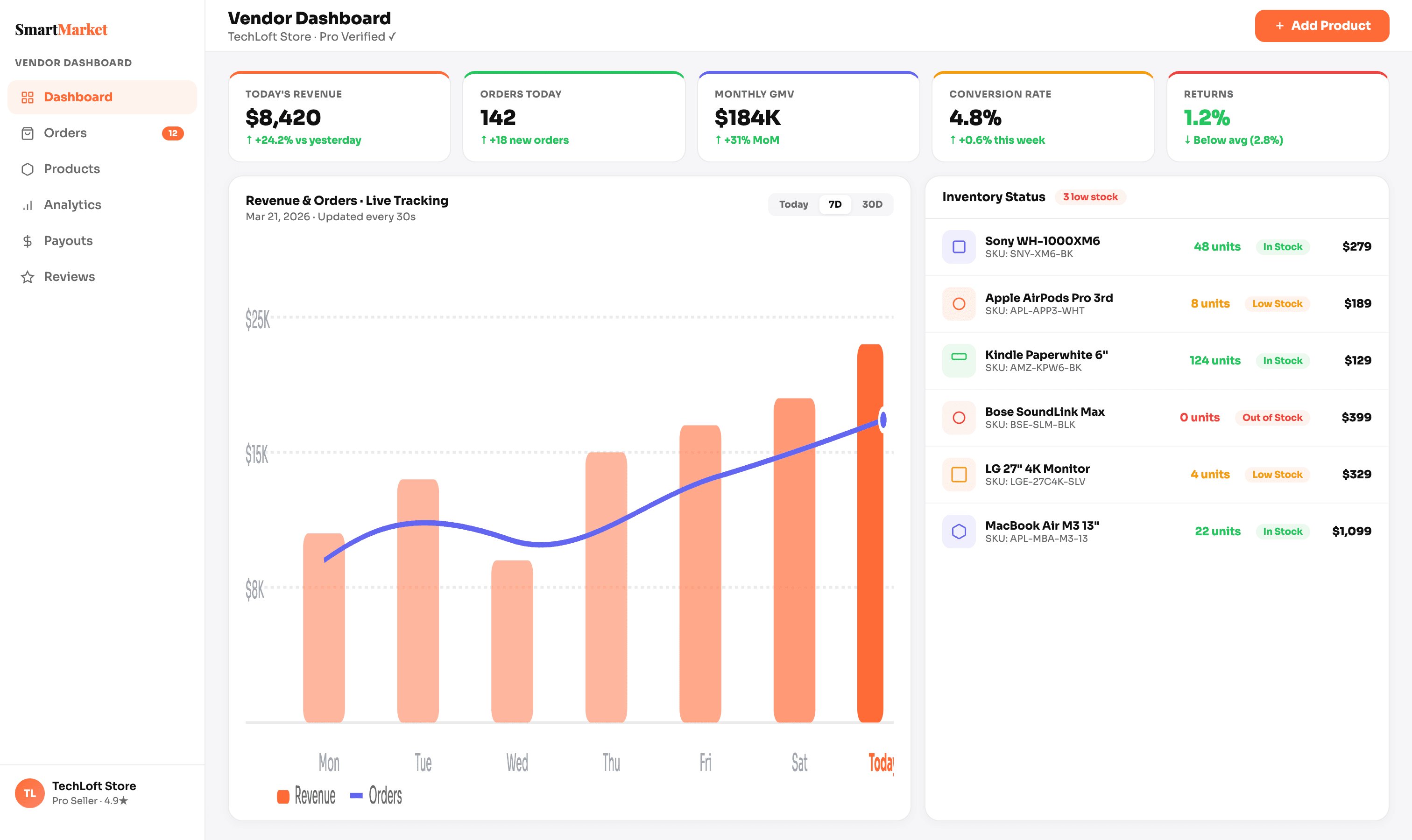
AI-Driven Multi-Vendor Marketplace
High-performance marketplace with AI-powered recommendations